What Climate Change Will Actually Look Like Where You Live
Africa: When Drought Becomes a Food Crisis
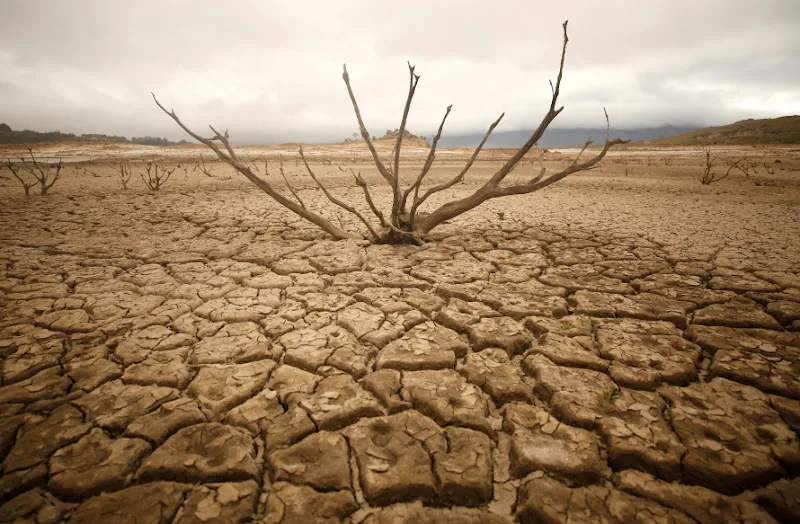
Across Africa, climate change is placing growing pressure on agricultural systems already exposed to difficult environmental conditions. Since 1980, the frequency of compound drought events has increased by 18–55%. At 1.5°C of global warming, the probability of the most severe drought events is projected to roughly double; at 3°C, it could triple.
In the Sahel and West Africa, longer dry spells, increasing evaporative demand and declining soil moisture are making agriculture increasingly difficult. Even when rainfall projections remain uncertain, higher temperatures mean that more water evaporates from soil and vegetation. For farmers dependent on seasonal rainfall, this can be devastating.
The consequences extend directly to food security. Between October and December 2025, an estimated 41.8 million people in West Africa and the Sahel faced crisis-level food insecurity or worse. That number was projected to reach 52.8 million during the 2026 lean season.
Millet, sorghum and maize are particularly important to livelihoods across the region. Longer periods of drought and extreme heat can reduce yields, weaken livestock productivity and degrade the rangelands on which pastoral communities depend. Climate change is therefore intensifying existing pressures on food supplies, public health and economic development.