What Climate Change Will Actually Look Like Where You Live
Climate change is often discussed in terms of global averages: 1.5°C of warming, 2°C, 3°C. These numbers appear in international agreements and scientific reports, giving the impression of a single crisis unfolding at roughly the same pace everywhere. But the reality is far more uneven. Depending on where you live, climate change might mean summers that become dangerously hot, rivers that no longer reliably feed your crops, glaciers disappearing from the mountains that supply your drinking water, or coastlines that flood several times a year.
Europe is heating faster than any other continent. The Pacific islands are watching rising seas make familiar coastlines increasingly uninhabitable. Across the Sahel, prolonged drought threatens harvests and food supplies. Climate change is already producing different kinds of crises in different parts of the world, and the differences will become increasingly pronounced as temperatures rise.
Why the Difference Between 1.5°C and 3°C Matters
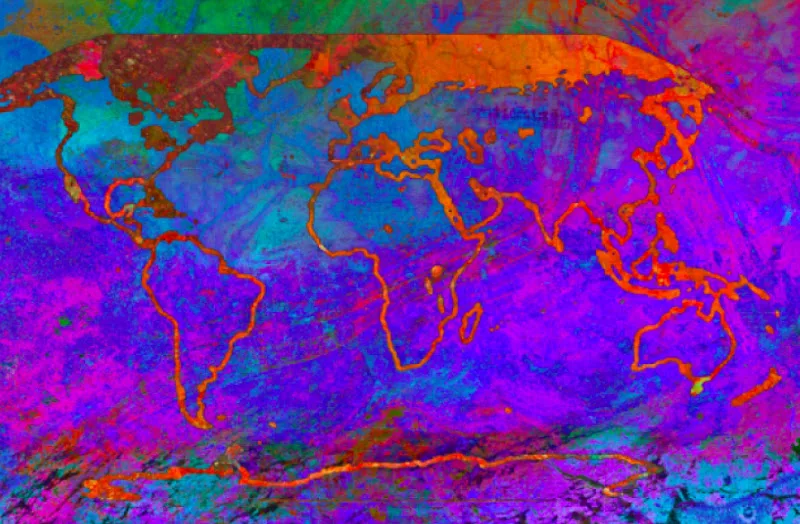
Global warming is not a linear process in which every additional degree simply makes existing problems proportionally worse. According to the Intergovernmental Panel on Climate Change (IPCC), every increment of warming increases changes in regional temperatures, precipitation and soil moisture. But the consequences depend heavily on local conditions.
Some ecosystems and human systems have relatively narrow limits. A few additional degrees can push crops beyond their heat tolerance, accelerate glacier loss, overwhelm coastal infrastructure or make certain areas increasingly difficult to inhabit. At 1.5°C, a community might experience serious seasonal water shortages. At 3°C, the same community could face a much more persistent breakdown of its agricultural water supply.
Scientists have greater confidence in temperature projections than in regional precipitation patterns, which are complicated by natural variability. Nevertheless, the direction of the broader changes is clear: the warmer the planet becomes, the more difficult it will be for many regions to adapt.