What Climate Change Will Actually Look Like Where You Live
One Planet, Interconnected Crises
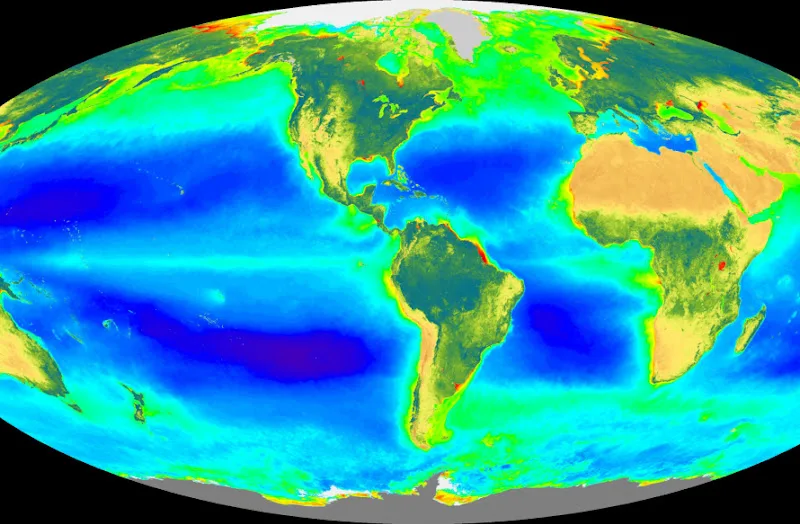
These regional disasters are connected through the Earth’s climate system. Changes in one part of the planet can influence conditions thousands of kilometres away.
Four major components are showing signs of destabilisation: the Greenland Ice Sheet, the Atlantic Meridional Overturning Circulation (AMOC), the Amazon rainforest and the South American monsoon system. Weakening of the AMOC, the ocean circulation system responsible for transporting heat across the Atlantic, has been linked to shifts in tropical rainfall patterns that could affect the Amazon.
Meanwhile, thawing permafrost releases greenhouse gases previously trapped in frozen ground, creating an additional source of warming. The underlying mechanism is well established, although the scale of the resulting carbon feedback remains uncertain.
Climate change is unfolding differently across continents, but its consequences are increasingly interconnected. A melting glacier affects rivers and agriculture; a drying rainforest changes rainfall far beyond its borders; rising seas threaten communities that contributed very little to the emissions driving the crisis. The global temperature is a useful measurement. What it means in everyday life, however, depends on where you happen to live.