5 Ancient Technologies We Still Can’t Replicate
Damascus Steel
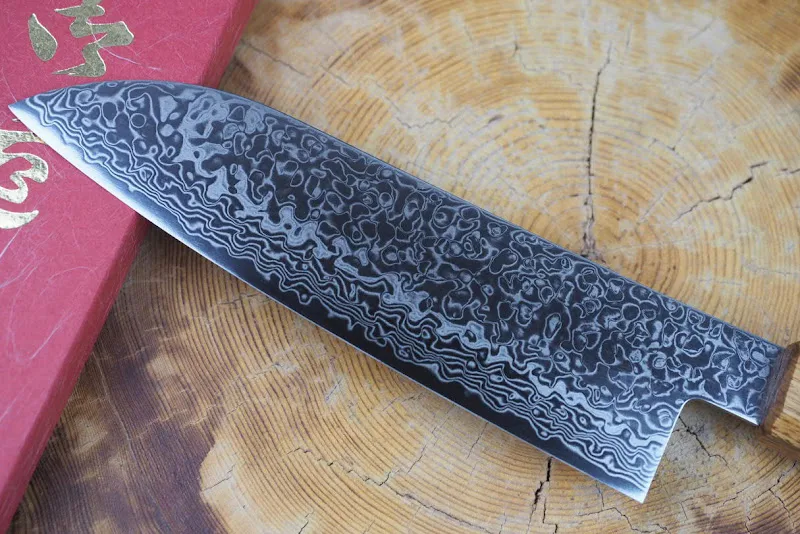
The legendary blades known as Damascus steel became famous for their extraordinary hardness, sharpness and flowing “watered” patterns. European observers encountered swords whose performance seemed almost impossible for the technology of their time.
The material traditionally associated with these blades was wootz, a high-carbon crucible steel produced in India and exported across the Middle East. Its distinctive appearance came from microscopic structures inside the steel, including bands of iron carbide. Trace elements in the original iron ore—especially elements such as vanadium—could play a crucial role in producing those structures.
Modern microscopy and materials science have revealed much more about what happened inside the metal. Researchers can identify the tiny carbide structures and understand how carbon, impurities, forging and heat treatment interacted.
But knowing the chemistry is different from recovering the ancient craft. The original smiths worked with naturally variable ores and extremely precise temperature and cooling conditions that were never recorded in modern engineering terms. Contemporary metallurgists can make remarkable Damascus-like steels, but recreating the exact historical material remains a technological detective story.