5 Ancient Technologies We Still Can’t Replicate
We live in an age of smartphones, artificial intelligence and machines that can manufacture objects atom by atom. Yet some of the most baffling technologies were created thousands of years ago by people working with furnaces, stone tools, bronze and remarkably little written documentation. Ancient engineers produced concrete that can repair itself, steel with extraordinary properties, weapons that burned on water and mechanical computers capable of modeling the heavens.
We can understand many of these technologies today. Reproducing them with complete confidence is another matter.
Roman Concrete That Heals Itself
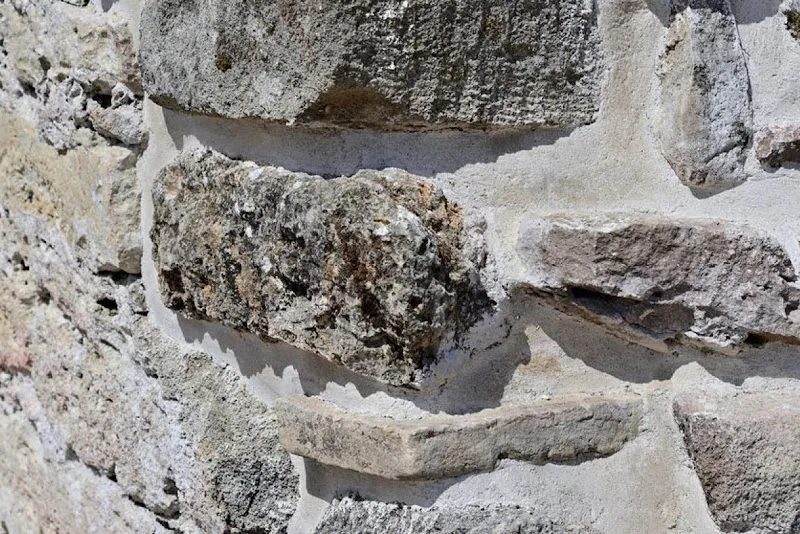
Roman concrete has survived for nearly 2,000 years in structures exposed to seawater, earthquakes and relentless weather. Modern concrete can deteriorate within decades under harsh conditions, while some Roman marine structures have become stronger with age.
The secret appears to lie partly in an unusual manufacturing technique. A 2025 study of an unfinished construction site at Pompeii found evidence that Roman builders mixed quicklime directly with volcanic pozzolan and water, a process known as “hot mixing.” The reaction created distinctive chunks of lime inside the concrete.
When cracks form and water enters them, those lime clasts can dissolve. Calcium-rich material then migrates into the cracks and recrystallizes, forming new mineral deposits that fill the damage. In effect, the concrete contains its own microscopic repair system.
Modern scientists can reproduce parts of the chemistry. What remains extraordinary is the ancient combination of ingredients, processing conditions and long-term durability that resulted from a technique largely abandoned by modern cement manufacturing.