5 Ancient Technologies We Still Can’t Replicate
The Lost Sounds of Antiquity
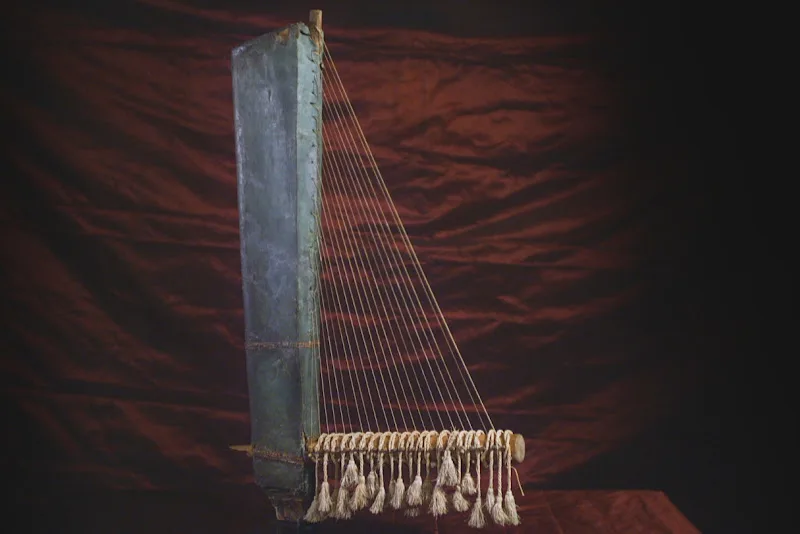
Ancient people left behind instruments, but rarely left us the complete information needed to hear them exactly as their creators did.
The Lyres of Ur, dating to roughly 2550–2450 BC, are among the oldest surviving string instruments. Several were excavated from royal tombs in Mesopotamia, including magnificent examples decorated with gold, shell and lapis lazuli.
We can reconstruct their shapes and build playable replicas. We can even make educated guesses about their tuning. But the original strings, playing techniques, performance spaces and musical traditions have disappeared.
The same problem surrounds the trumpets found in Tutankhamun’s tomb. Their sounds were demonstrated in the twentieth century, but the instruments are extraordinarily fragile, making repeated performances impractical. Even when an ancient instrument can physically be played, reconstructing the exact sound its original audience heard remains impossible.
That is the real mystery behind lost ancient technology. The missing ingredient is often not a secret material or forgotten machine. It is knowledge—the accumulated experience of thousands of craftspeople, passed from one generation to the next until the chain was broken.
Our machines are more powerful than anything the ancient world possessed. But technological power does not guarantee technological memory. Sometimes a civilization can know how to build something extraordinary and still fail to leave enough information for the future to build it again.