The Dancing Plague – Mysterious Illness Made People Dance To Death
In the summer of 1518, something extraordinary happened in Strasbourg. A woman stepped into the street and began dancing.
Her name was reportedly Frau Troffea. She danced for hours. Then she kept dancing the next day. And the day after that.
Within a week, dozens of people had joined her. Within a month, contemporary accounts described hundreds of men, women and children moving uncontrollably through the streets. They danced until their feet bled, their bodies gave out and, according to some historical accounts, people collapsed and died.
The episode became known as the Dancing Plague of 1518, one of the strangest mass outbreaks ever recorded. Five centuries later, we still cannot say exactly what happened inside the bodies and minds of the people who experienced it.
A City That Suddenly Could Not Stop Dancing
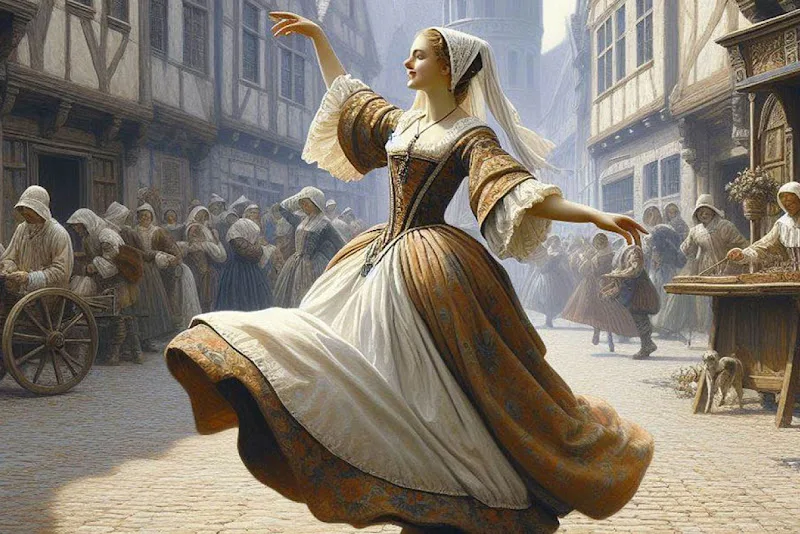
Strasbourg was under enormous pressure when the outbreak began. The population had endured famine, disease, poverty and repeated food shortages. Grain was expensive, living conditions were harsh, and epidemics had recently swept through the region.
Against this background, the first dancer appeared.
According to historical records, Frau Troffea began moving uncontrollably in the street around July 1518. She apparently did not want to dance. Her movements continued despite exhaustion.
Then other people started experiencing the same phenomenon.
The authorities responded in a remarkably counterintuitive way. They believed that the dancers needed to dance the illness out of their systems. Officials opened dance halls and even constructed a special stage where sufferers could continue moving. Musicians were hired to accompany them. The result was catastrophic.
More people began dancing.
At the height of the outbreak, perhaps hundreds were affected. Some accounts describe people dancing day and night, apparently unable to stop even when their bodies were exhausted.
Eventually, the authorities reversed course and banned public dancing.