5 Inventions That Were Rejected By Everyone Before Changing The World
Germ Theory Was Called “A Ridiculous Fiction”
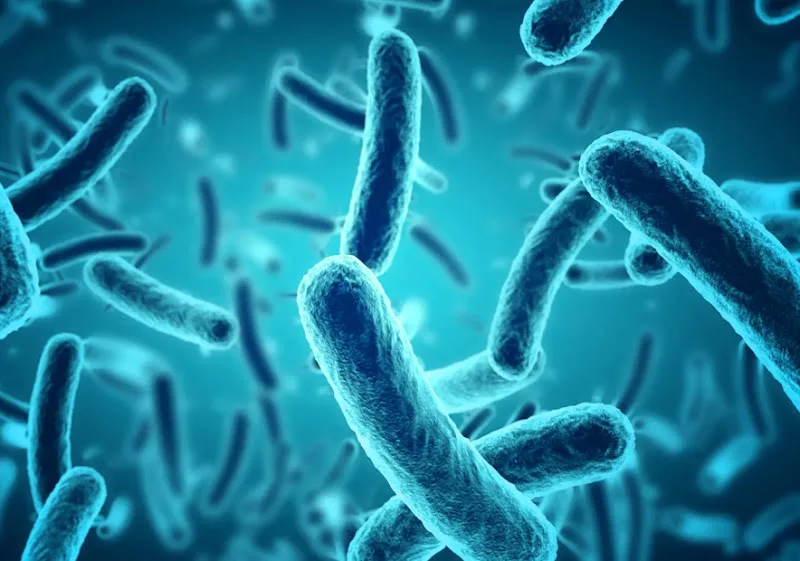
Today, the idea that microscopic organisms can cause disease is elementary biology. In the nineteenth century, it was a provocation.
Ignaz Semmelweis discovered that doctors at his Vienna hospital could dramatically reduce deaths from childbed fever simply by washing their hands with chlorinated lime before treating patients. His evidence was overwhelming. His colleagues still resisted the conclusion because it challenged the prevailing understanding of disease.
Louis Pasteur later provided powerful experimental evidence that microorganisms could cause fermentation and disease. Robert Koch identified specific bacteria responsible for specific illnesses. Together, their work transformed medicine.
Before germ theory, doctors could move directly from an autopsy to delivering a baby without necessarily washing their hands. After it, sterilization, antiseptic surgery and modern infection control became fundamental parts of medical practice. The resistance seems astonishing now. At the time, the new theory demanded that medicine abandon an entire way of understanding disease.