5 Inventions That Were Rejected By Everyone Before Changing The World
In 1938, Chester Carlson pitched his revolutionary copying machine to IBM, RCA, Kodak, and more than 20 other companies. Every one of them said no. IBM’s market research concluded that the market for copiers was too small to bother with. Scientists who visited Carlson’s drafty warehouse sometimes doubted that his invention was even theoretically feasible. Carlson kept going. More than a decade later, the first commercial Xerox copier appeared. The technology that nobody wanted eventually transformed offices around the world.
Carlson’s story belongs to a peculiar category of technological history: inventions that looked pointless, impossible, or downright ridiculous until the world suddenly needed them. Here are five of the most spectacular examples.
The Copier Everyone Thought Nobody Needed
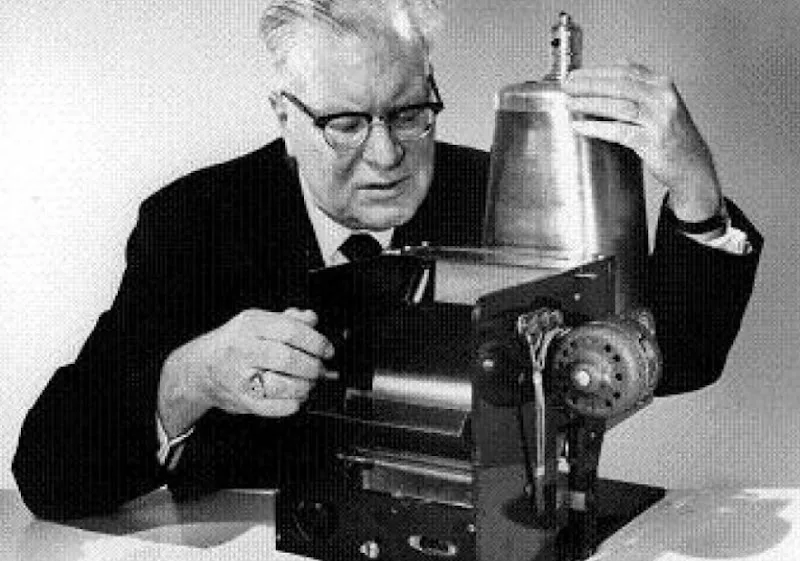
Carlson’s invention began with a frustratingly ordinary problem. As a patent attorney, he spent his days copying documents by hand. In 1938, he developed xerography, a process that used static electricity and light to create dry copies without photographic chemicals. The idea was revolutionary—and commercially toxic.
Companies including IBM, Kodak and RCA rejected the technology. Some considered the market too small; others struggled to understand why anyone would need such an expensive machine when carbon paper and mimeographs already existed.
Carlson eventually found a partner in the Haloid Company, a small photographic-paper manufacturer. In 1959, the Xerox 914 arrived. It was large, expensive and astonishingly successful. Offices suddenly had a way to reproduce documents at the push of a button. The machine helped turn Xerox into a household name and changed how information moved through modern workplaces.